Where the water and the leaves meet
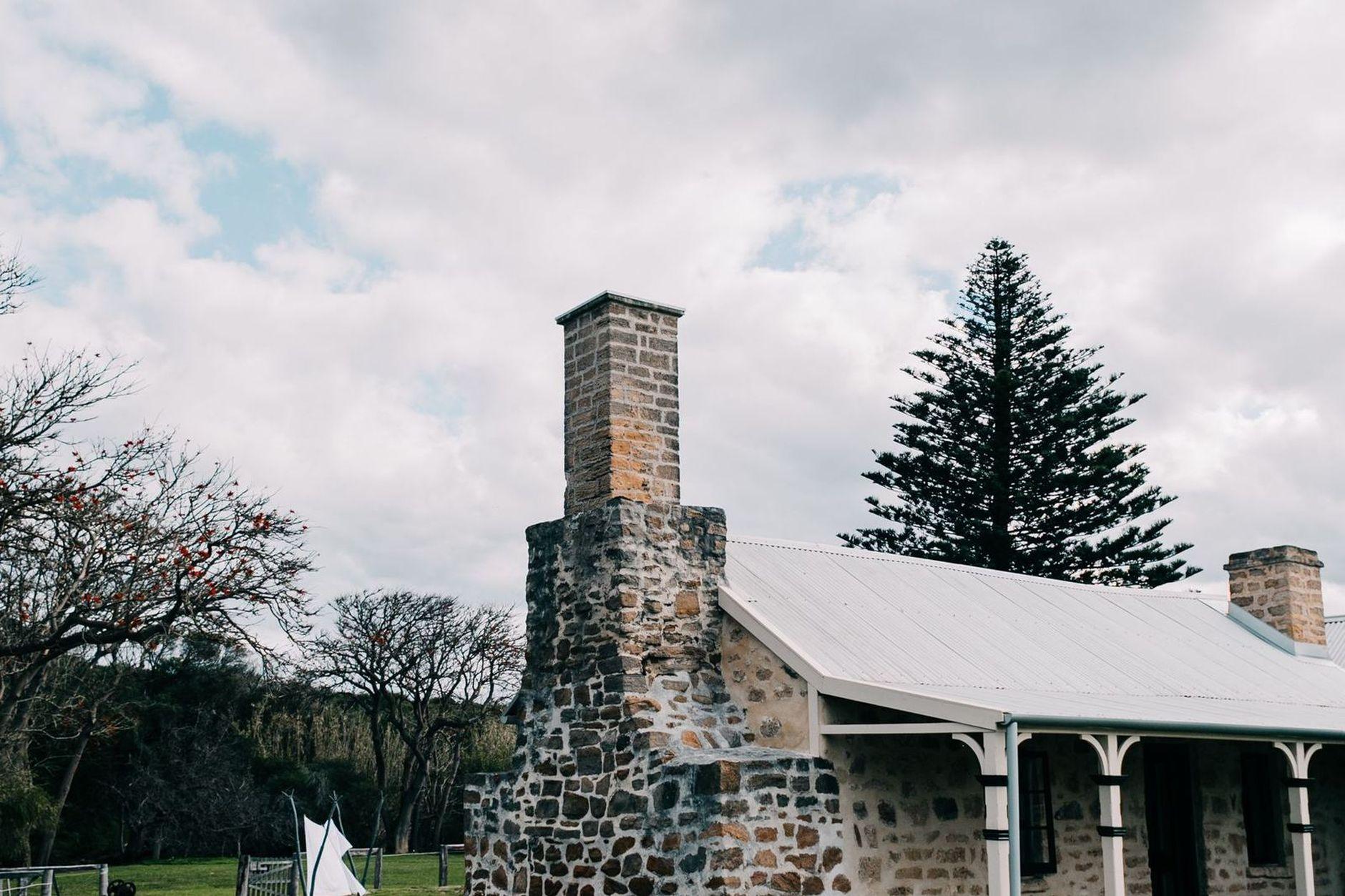
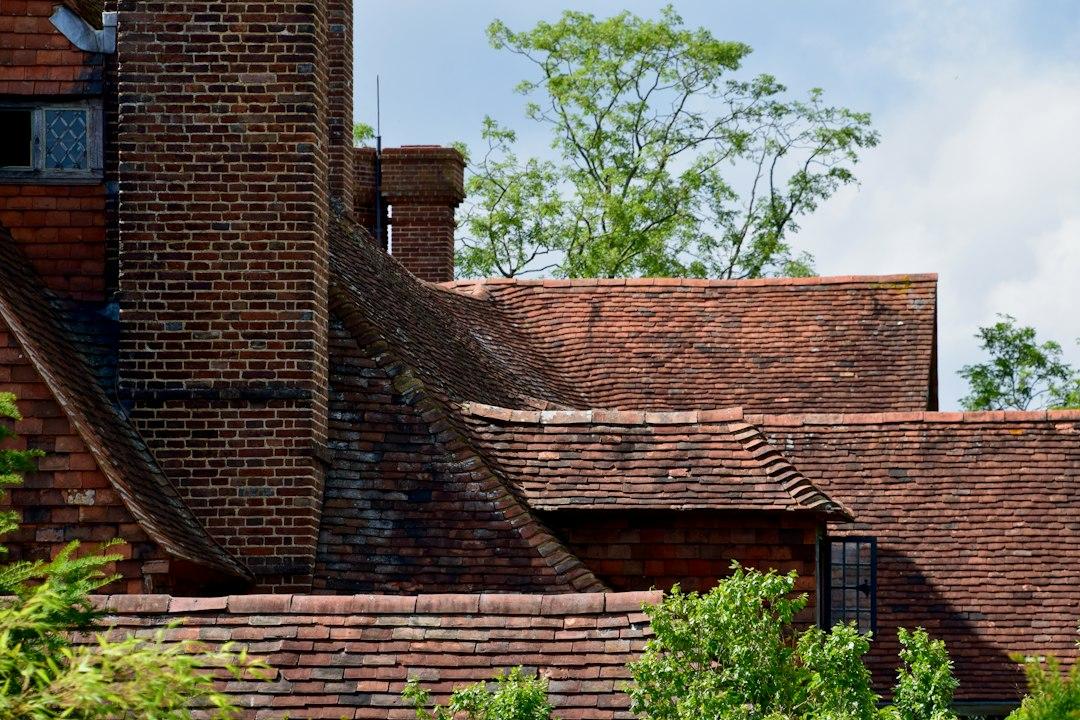
Flashing is the sheet metal wrapped around the base of the stack where it comes up out of the shingles. On a lot of Azusa houses, the trouble starts on the uphill side of the chimney, where the slope of the roof runs straight into the brick. Leaves blow in on dry winds, rats and birds drop nesting scraps from an open top, and it all piles up in that corner. The pile holds water after a winter storm, the water sits against the flashing for days, and one morning there is a brown ring on the ceiling next to the fireplace.
This post covers what a flashing repair costs from us, what changes the price, and why the debris side of the problem matters as much as the metal.
The prices we list
| Job | Price |
|---|---|
| Cricket on the high side of the chimney | $450 to $1,020 |
| Finding a chimney leak and stopping it | $565 to $3,400 |
| New cricket with every piece of flashing replaced | $680 to $1,700 |
| Resealing or replacing flashing alone | written quote |
A cricket is a little ridge of roofing set behind the stack, on the side that faces up the slope. It splits the water and the leaves to either side so nothing collects against the brick. On a wide chimney it is often the real fix, because new flashing behind a flat pocket of debris will fail the same way the old metal did.
What moves a leak repair inside its range
The range is wide because "leak at the chimney" covers several jobs.
- Where the water gets in. Flashing, a cracked crown, porous brick, and an open flue with no cap can all leave the same stain. We trace it before we fix it.
- The roof. Asphalt shingle is the quickest to open and close. Clay or concrete tile has to be lifted and reset, and some tiles break along the way.
- The chimney's size. A wider, taller chimney means more flashing, and more counterflashing cut into the mortar joints.
- What is under the stain. Wet roof sheathing or framing next to the chimney has to be dealt with before new metal goes on, and that is quoted on its own line.
Why we look at the top too
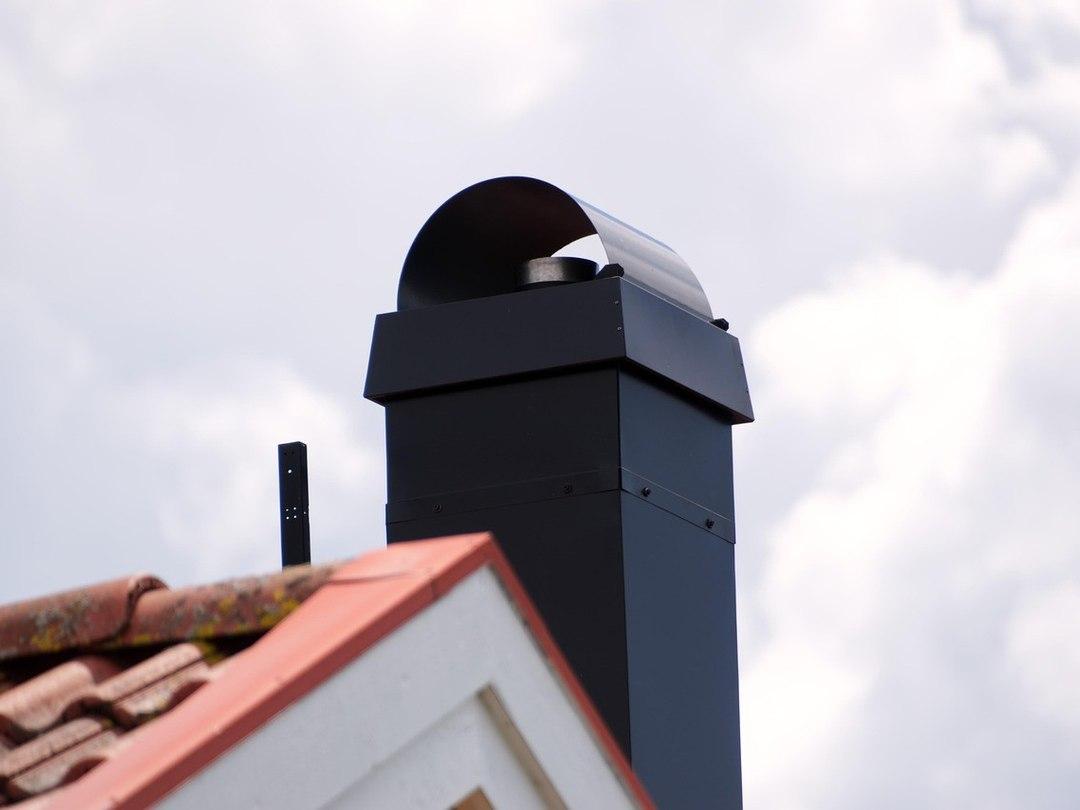
A leak call on a chimney with no cap is often two problems. Rain falls straight down the open flue, and birds and rats use the open top, dropping material that ends up in the valley behind the chimney. Fixing the flashing and leaving the top open solves half of it. A cap quoted after we measure often belongs on the same quote, and doing both on one roof visit saves a second climb.
We also look at the crown, the mortar slab around the flue tile. A crown with open cracks lets water into the brick from above, and it can show up as a stain that looks exactly like a flashing leak. If that is the source, we quote the crown repair in writing rather than sell you flashing you do not need.
What decides the price, and the next step
Three things decide the figure: where the water is coming in, what the roof is made of, and whether the high side of the chimney needs a cricket. We find all three on one visit.
Tell us where the stain is and when it appears, whether the roof is shingle or tile, and roughly how wide the chimney is. We may ask for a photo of the ceiling or the roof when we call you back.
What you get in writing
Our quote for a flashing job says which of the jobs above applies, the metal we will use, how the roof will be opened and closed, and anything we found that sits outside the price: a cracked crown, loose brick, soft wood. You decide on each line separately. Our chimney flashing repair and chimney leak repair pages explain the work in more detail.
Timing with the seasons
Our rain comes in winter, and most flashing calls arrive with the first storm. Booking in the dry months means the roof is easier to work on and the repair is in place before the stain spreads. Brick that has soaked up water for several seasons may also be ready for waterproofing, which we quote after a look. If you are buying a house with a stain beside the chimney, our post on buying a house with a chimney explains how a Level 2 reads it.
When the cricket is the answer
Not every chimney needs one. A narrow chimney on a gentle slope sheds water and leaves well enough with good flashing alone. A chimney wider than about two and a half feet, or one sitting low on a steep roof, catches far more. On those, we look at how much debris sits behind the brick and how far up the roof the water stains run. If the pocket fills every winter, a cricket built with new flashing at $680 to $1,700 usually costs less over time than resealing the same corner year after year. If the old flashing is still sound, a cricket alone at $450 to $1,020 may be enough. The quote tells you which we suggest and why.
Stop the stain
A ceiling stain beside the fireplace rarely stops by itself, and a pile of leaves behind the chimney only grows. If you are in Azusa or nearby, ask for a visit on our contact page and we will find where the water is getting in.
Want the Chimney Top Checked?
Loughlin Chimney Group clears out whatever moved in, sweeps the flue and fits a cap sized to the opening. Visits run from Azusa to Glendora, Monrovia, El Monte and the rest of the valley.