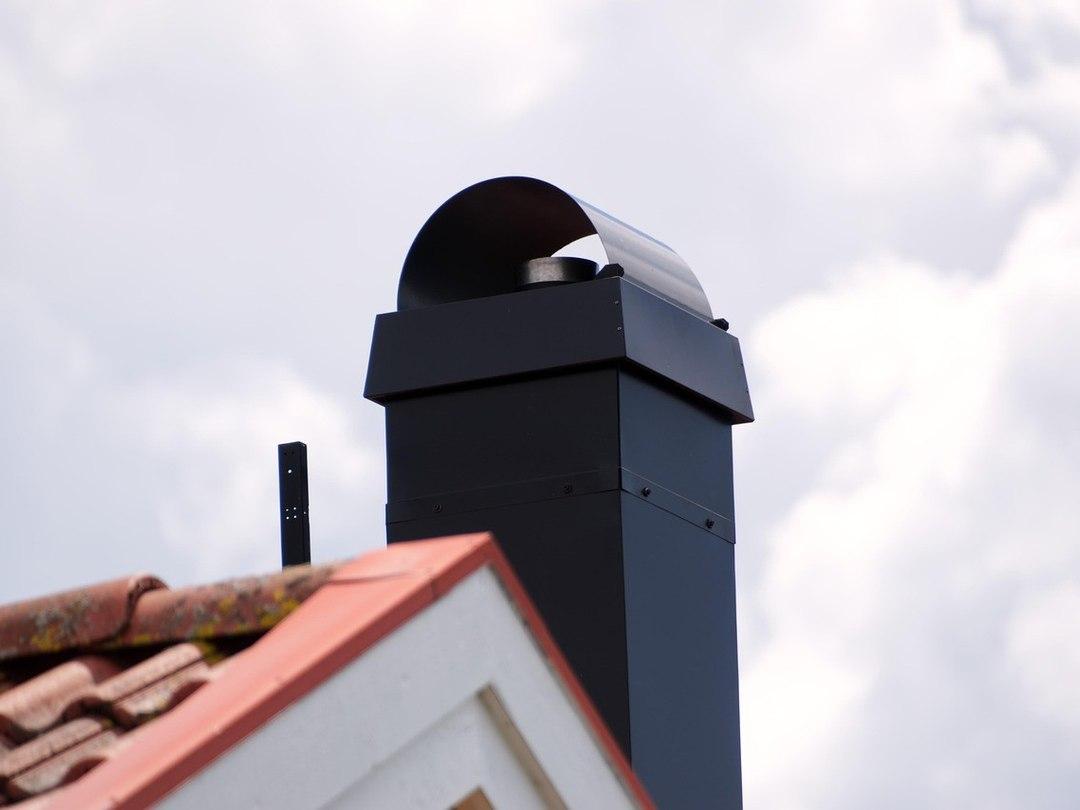
The sound that usually starts this call
Most cap calls in Azusa begin with a noise. Scratching above the firebox at dawn. A bird that will not stop chirping somewhere behind the damper. A dry rattle of leaves after a windy night. Then someone opens the damper and a pile of twigs drops onto the grate. The part that keeps the next visitor out is a cap, and this post is about what sets its price.
Our installed price for a chimney cap is quoted after we measure the flue. The quote covers the cap and fitting it on your chimney. It does not cover clearing an animal that is still inside, a sweep, or repairs to the crown under the cap. Those go on their own lines so you can see each one.
What sets the cap price
A cap is a simple object: a lid, a band of mesh, and a way to hold it to the chimney. The price moves with four things.
- Flue count and layout. A single round or square clay tile takes a small cap that clamps to the tile. Two flues side by side, or a wood flue next to a furnace vent, usually need one wide cap that sits over the whole top of the chimney.
- Size of the top. A cap that covers the full crown is cut to the chimney's measured footprint. Bigger brick means more metal.
- Material. Galvanized steel costs less up front. Stainless steel lasts longer through our summer heat and winter rain, and copper costs the most, for owners who want the look.
- Getting there. A one story ranch house with a low roof is a short climb. A two story house near the foothills, a steep tile roof, or a chimney that rises well above the ridge takes more time and more ladder.
Our quote does not include guesswork. We do not quote a cap from a street photo. The size of the mesh, the height of the lid and the way it fastens all depend on measurements taken at the top.
What we look at before naming a figure
On a cap visit we go up first and look before we open the truck. These are the things that change the quote:
- Is anything living in the flue right now? Fresh droppings, nesting material packed against the damper, a smell from the firebox. A cap fitted over an active nest traps whatever is inside.
- Does the flue tile stand up far enough to clamp to? Short or broken tiles mean a cap that mounts to the crown instead.
- Is the crown sound? A cracked crown holds a cap badly, and screws set into crumbling mortar pull loose in the first strong wind.
- Is there an old spark arrestor, and is its mesh still whole? Rusted mesh with holes the size of a thumb lets small birds and rats straight through.
If the crown needs work, we say so and quote it on its own line, in writing. Crown work has no listed price from us, because one roof needs a patch and the next needs a new slab.
Mesh, and why it matters here
The screen around a cap is the part that does the keeping out. Openings that are too big let in roof rats and small birds. Openings that are too fine fill with soot and leaf dust and choke the draft. Our area also sits close to brush that burns in a dry year, so the screen has a second job as a spark arrestor: it holds back the embers a wood fire throws up the flue. We pick a mesh that does both jobs for your fuel and your roof, and the quote names it.
Two quotes that look alike but are not
When owners compare cap quotes, the gap is usually in what is left out.
- One price may be for a cap that slides over the tile with no fasteners. That is fine on a sound tile and a poor choice on a cracked one.
- One price may assume the flue is empty. If a raccoon has been raising kits on the smoke shelf, that price will change on the day.
- One price may be for galvanized steel and the other for stainless. Ask which.
Our written quote names the material, the mount, the mesh, and what we saw inside the flue. If anything has to happen before the cap goes on, it is a separate line.
What decides your price, and the next step
Three facts decide your cap price: how many flues the cap has to cover, what the top of the chimney is made of and how sound it is, and whether anything is still living inside. A short description helps us plan the visit.
Tell us what you hear and see in the chimney, the number of flues if you know it, and whether the house is one story or two. If a picture would help, we may ask for one when we call you back.
When the cap is part of a larger job
A cap often goes on at the end of something else. After an animal is cleared and the flue is swept, the cap closes the door behind it. After flashing repair or a crown repair, it shields the new work from rain. If a nest has been in the flue for a season, we usually suggest a chimney sweep first, because nesting material is dry, packed tight and burns fast. Sweeps start from $425.
For a chimney with a framed box and a metal flue instead of brick, the cap and the top cover work as one piece. That job is a chase cover, and we quote it in writing after measuring. Our post on caps, screens and chase covers sets the three side by side.
Before the next scratch at dawn
A cap is one of the smaller jobs on a chimney and one of the few that ends the noise for good. If something has moved in above your fireplace in Azusa or a town nearby, leave us a note on the contact page and we will arrange a visit to the roof.
Want the Chimney Top Checked?
Loughlin Chimney Group clears out whatever moved in, sweeps the flue and fits a cap sized to the opening. Visits run from Azusa to Glendora, Monrovia, El Monte and the rest of the valley.