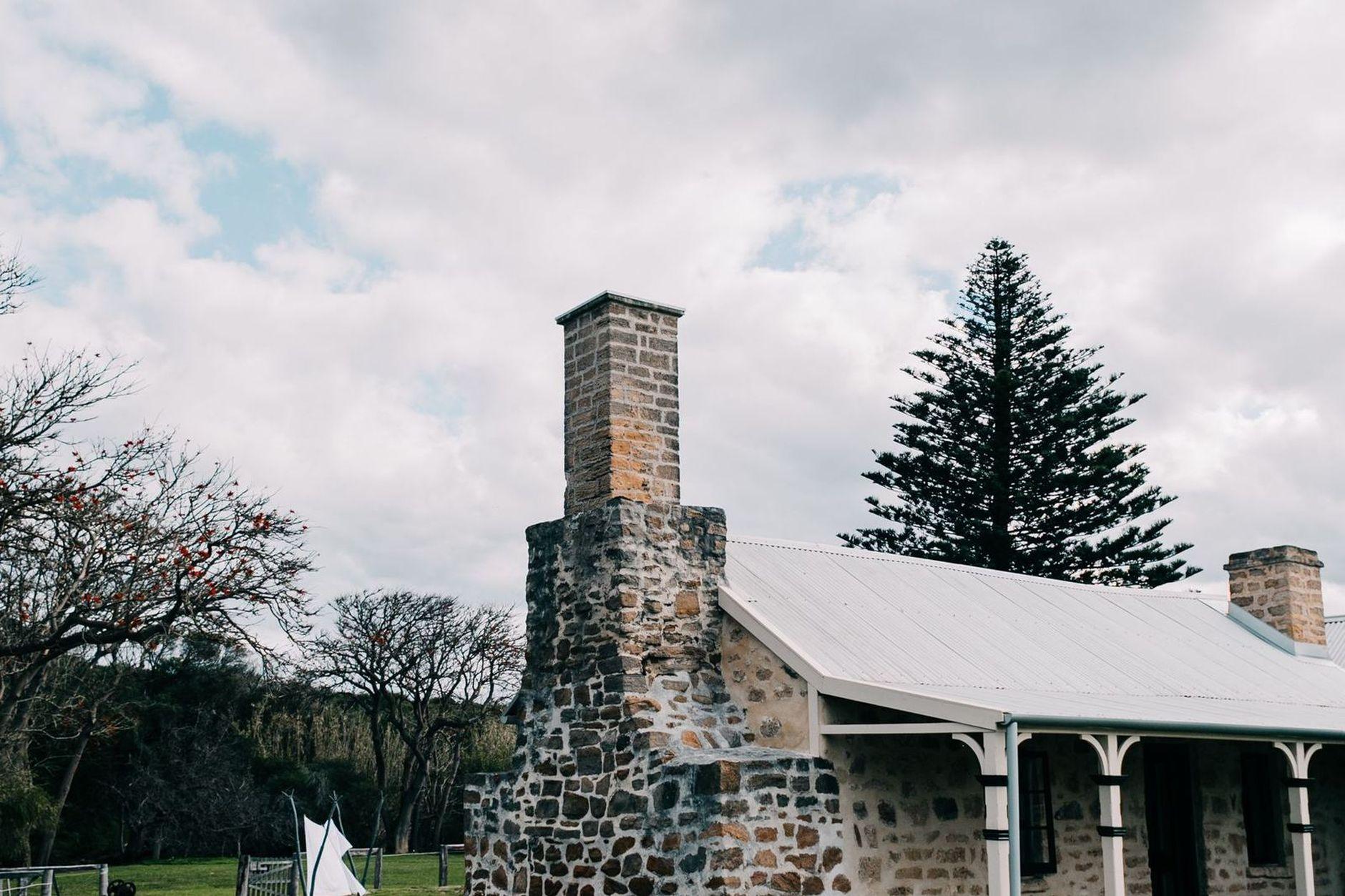
What people tell us first
"Something is in there." That is how most of these calls open. Then the detail: scratching that starts after dark, a high chatter from behind the damper in spring, a smell that grows on warm afternoons, or a bird that flew out of the firebox and twice around the living room. In Azusa and the towns along the foothills, the usual guests are birds, raccoons, roof rats and squirrels. Each one leaves different signs, and each one changes what our visit looks like.
This post covers what happens when you book us for it, which parts have a price, and which get a written quote.
Who it usually is
- Birds. Chirping that rises each time a parent returns, twigs and grass falling onto the grate, white streaks on the damper. Some birds that nest in chimneys are protected by federal law, so an active nest with eggs or young may have to stay until the birds have left.
- Raccoons. Heavy thumps, a low churring, and a mother that comes and goes at dusk. They like the smoke shelf above a closed damper because it is dry and dark. A raccoon is strong enough to tear a loose screen off the top.
- Rats and squirrels. Light, quick scratching, often in the wall beside the chimney as well as inside it. Gnawed wood near the top, droppings on the hearth.
- Something that has died. The smell comes first, and on a hot day it fills the room.
What we do and what we pass on
We are a chimney company. We clear what an animal leaves behind, we clean and check the flue, and we close the top so it does not happen again. If a live raccoon or another large animal is still inside, we will say so after looking and point you to a wildlife removal service to get it out humanely. Once it is gone, we take it from there.
Our visit covers:
- A look from the roof and from the firebox to see what is in the flue and where it got in.
- Pulling out nesting material, droppings and debris from the smoke shelf and the damper.
- A sweep of the flue, because nesting material is fuel for a fire, and droppings send dust and odor into the room every time air moves down.
- A check of the damper, the crown and the top of the flue tile for the gap the animal used.
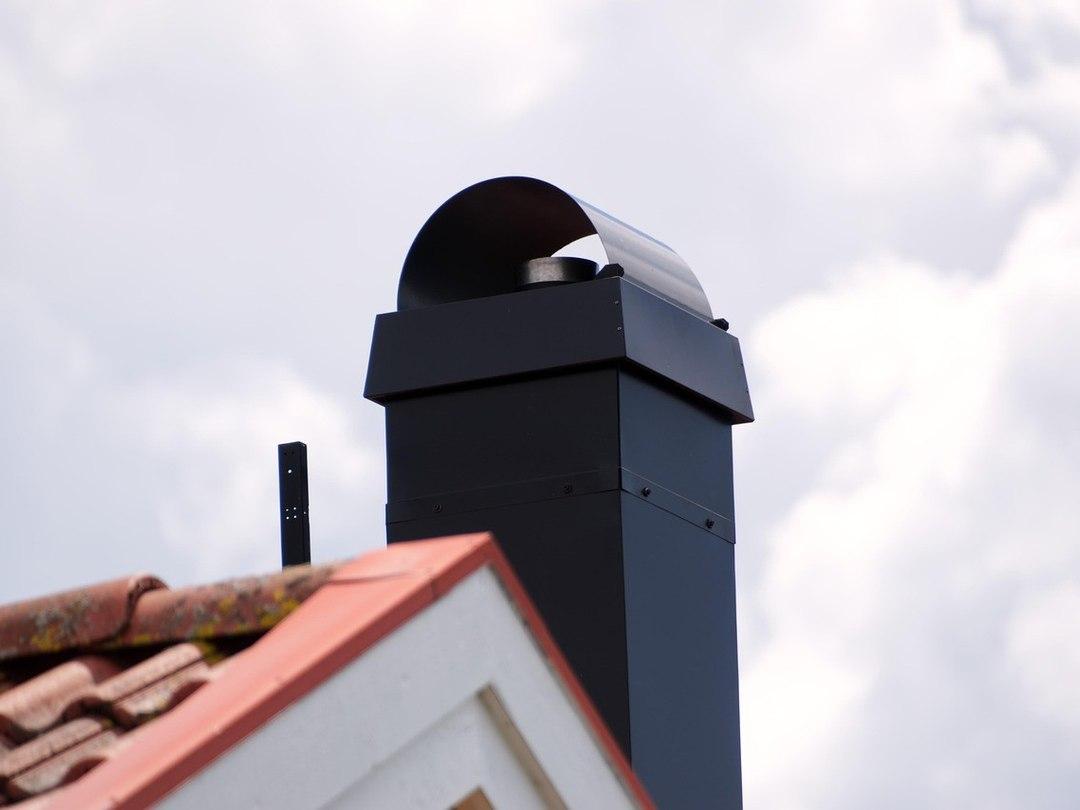
- A cap or a new screen, if that is the fix.
The prices that apply
Some parts of this job have a listed price, and some do not.
| Part of the job | Price |
|---|---|
| Sweep once the nest is out | from $425 |
| Cap and mesh fitted on top | quoted on site |
| Camera run up the flue | $395 |
| Clearing a large nest or a dead animal | written quote after we see it |
| Damper or crown repair | written quote after we see it |
The camera run is a Level 2 inspection. We suggest it when an animal has lived in a flue for a long time, or when we cannot see past a bend, because a nest can hide cracked tile and loose mortar. A small bird nest in a straight, clear flue usually needs only the sweep and the cap.
Why we price the clearing on sight
A sparrow nest on top of the damper is a few minutes with a brush and a vacuum. A raccoon latrine spread across a smoke shelf is a slow job done masked, with every scoop bagged. A dead animal wedged above the damper can mean taking the damper frame apart. Over the phone, the same description can be any of these, so we look first and then put a number in writing before we start.
What decides the next step
The next step depends on whether the animal is still there. If you hear it now, the first job is getting it out, and we can tell you whether that is ours or a wildlife service's. If the noise has stopped for a while, we can book the clean out, the sweep and the cap together on one visit.
Describe what you hear and when you hear it, how long it has been going on, and whether the fireplace has been lit since. We may ask for a photo when we call you back.
Please do not light a fire to smoke it out
It is the most common idea and the riskiest one. Dry nesting material catches fast, smoke backs up into the room when the flue is blocked, and an animal that cannot get out the top may come down through the firebox instead. Keep the damper closed, keep any glass doors shut, and keep pets away from the hearth until the flue is clear.
After it is gone
Once the flue is clear, the cap is what keeps the next family from moving in. Our chimney cap installation page lays out the options, and our post on chimney cap cost in Azusa covers what changes the price. If the animal came in through a gap at the roof line rather than the top, the fix may be flashing repair instead. A damper bent open by a raccoon is a damper repair, quoted in writing.
When the noises start
Most owners wait a week hoping it leaves. Sometimes it does, and the nest it leaves behind is still there for the next one. When something is living in your chimney in Azusa, Glendora, Monrovia or El Monte, use our contact page to tell us what you hear and we will come and look.
Want the Chimney Top Checked?
Loughlin Chimney Group clears out whatever moved in, sweeps the flue and fits a cap sized to the opening. Visits run from Azusa to Glendora, Monrovia, El Monte and the rest of the valley.