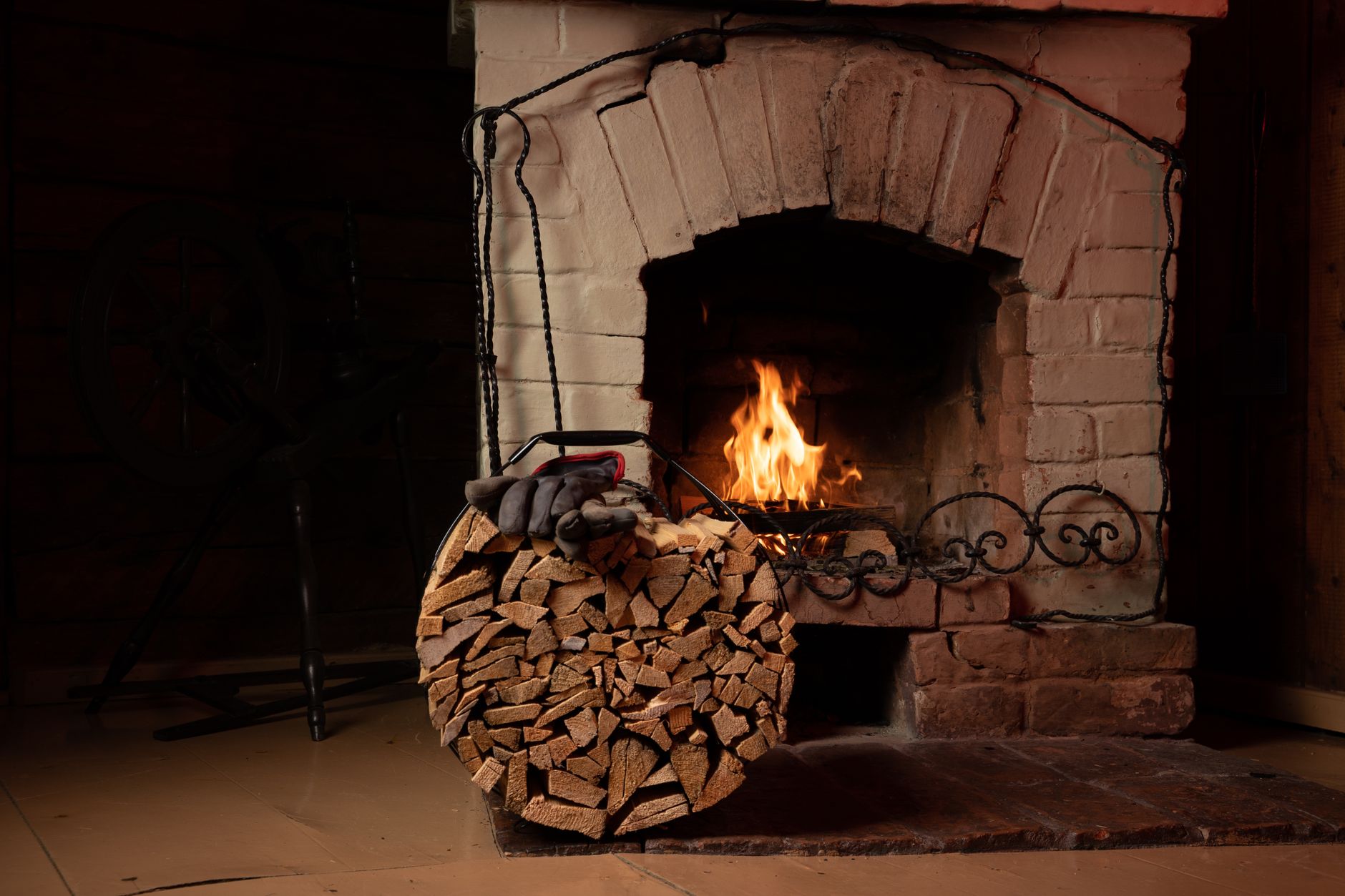
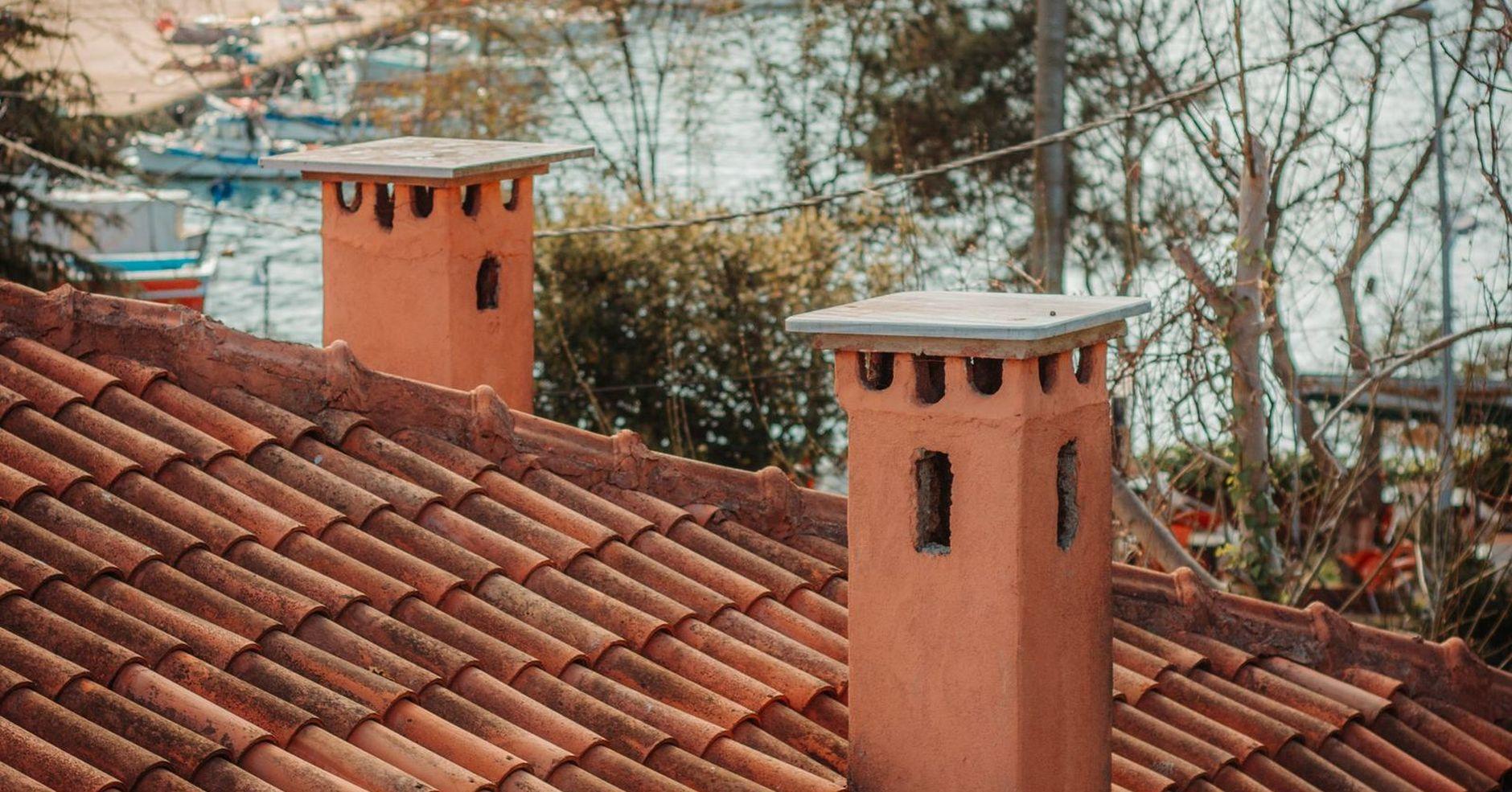
The chimney is the part of the house nobody opens
During a house purchase, most of the house gets a careful look. The chimney usually gets a flashlight from the firebox and a line in the general inspector's report suggesting a specialist take a look. For a house in Azusa that has stood empty for a while, or one whose owners stopped lighting the fireplace years ago, that line hides the questions that matter: is anything living up there, is the top closed, and is the flue whole.
This post is for buyers and sellers who want those answers before the deal closes. It covers what we look at, what you receive, and what it costs.
Which inspection a sale calls for
NFPA 211 is the fire code book chimney techs work from, and it splits inspections into three levels based on how deep the check goes. A change of owner is one of the moments it points to the middle level, Level 2, because the new owner has no history of how the chimney was used or kept up.
Our Level 2 is $395. The camera travels up the flue from the firebox, we check the chimney where it passes the attic and where it meets the roof, and you get a written report with photos. A Level 1, which covers only the parts in plain view, is $55, and it suits a chimney whose history you already know.
What the camera finds in a house that has sat
The camera shows the inside of the flue, tile by tile. In a quiet chimney, it is also the first look at what moved in while nobody was lighting fires. The findings we write up most often on sale inspections:
- Old nests. Twigs and grass packed on the smoke shelf, sometimes stacked deep. Dry nesting material is a fire risk the first time the new owner lights the fireplace.
- Droppings. Raccoons pick one spot and keep using it. The report says where and how much.
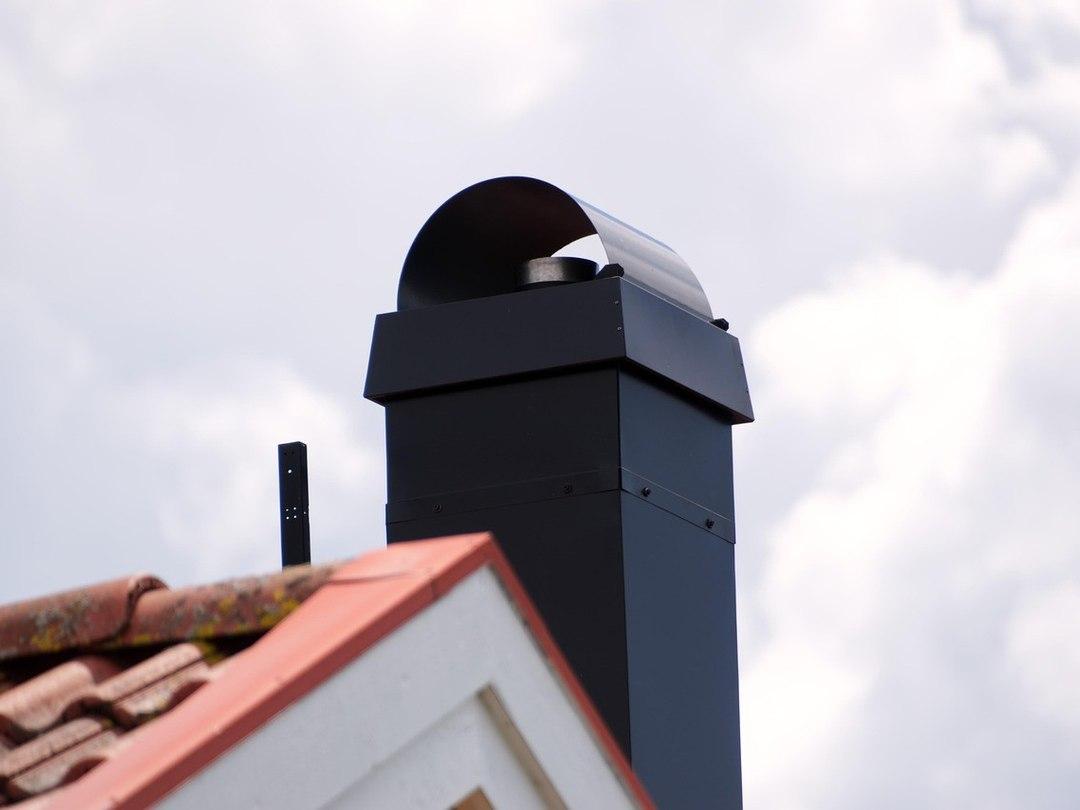
- No cap, or a broken screen. The open top is how the animals got in, and it will let the next ones in.
- Cracked or shifted tiles. A nest can hide a crack, and decades of ground movement in this part of California can open tile joints. The camera sees past the debris once it is cleared.
- A damper that does not close. Often bent or rusted open, which leaves a route down into the house.
- Water at the roof line. Stains on the brick or the framing next to the chimney point to flashing.
What you receive and who gets it
The report goes to whoever books it, and to anyone else they name: the buyer, the seller, either agent. It lists each finding with a photo, says whether it needs attention before the fireplace is used, and gives a price for the fix where we have one. Where we do not, it says the fix is quoted in writing.
Prices that often turn up on a sale report:
- Sweep to clear old nesting: from $425
- Cap and screen fitted on an open top: quoted after we measure
- Tracing and fixing a leak at the chimney: $565 to $3,400
- Crown, damper, liner or mortar work: written quote
Turning findings into the next step
The next step is decided by what the camera shows. A sound flue with an open top usually means a sweep and a cap, a short job buyer and seller can agree on without much back and forth. Cracked tile or a bent damper is larger, and it becomes a repair request or a credit in the deal, priced in writing.
Book the Level 2 for the house you are buying or selling, and tell us the address, who should receive the report, and how we get in.
For older houses
Houses built before about 1980 tend to have clay flue tile with tired joints, steel dampers that have rusted over the years, and screens long gone. Our home sale chimney inspection page covers what we look at in an older chimney. Agents booking for several clients can read our page for real estate agents. If the report finds repairs a lender or buyer wants done, the up to code repairs page sets the usual fixes beside their prices.
A seller's version of the same visit
Sellers book the same Level 2 for a different reason: to know what a buyer will find before the buyer finds it. A nest cleared and a cap fitted before listing is one less line in a buyer's repair request. The report can go into the disclosure file, and a buyer reading it sees a chimney that has already been dealt with. Our post on chimney cap cost in Azusa covers the most common fix on these reports.
When the general inspector has already been
Most of our sale inspections follow a general home inspection. That report may say the chimney was dirty, that the top could not be seen, or that debris was found in the firebox. Those notes are useful, and they are where our visit starts. We read what the home inspector wrote, then answer each point with a finding and a photo: what the debris was, whether the top is capped, and what the tile looks like behind it. A buyer then has one document for the chimney instead of a referral and a guess, and a seller can answer a repair request with a priced line.
Before you sign
A chimney inspection is a small line in the cost of a house, and it is the one way to know what is behind the damper before it becomes yours. For a sale in Azusa or the nearby towns, send the details through our contact page and we will set the visit.
Want the Chimney Top Checked?
Loughlin Chimney Group clears out whatever moved in, sweeps the flue and fits a cap sized to the opening. Visits run from Azusa to Glendora, Monrovia, El Monte and the rest of the valley.