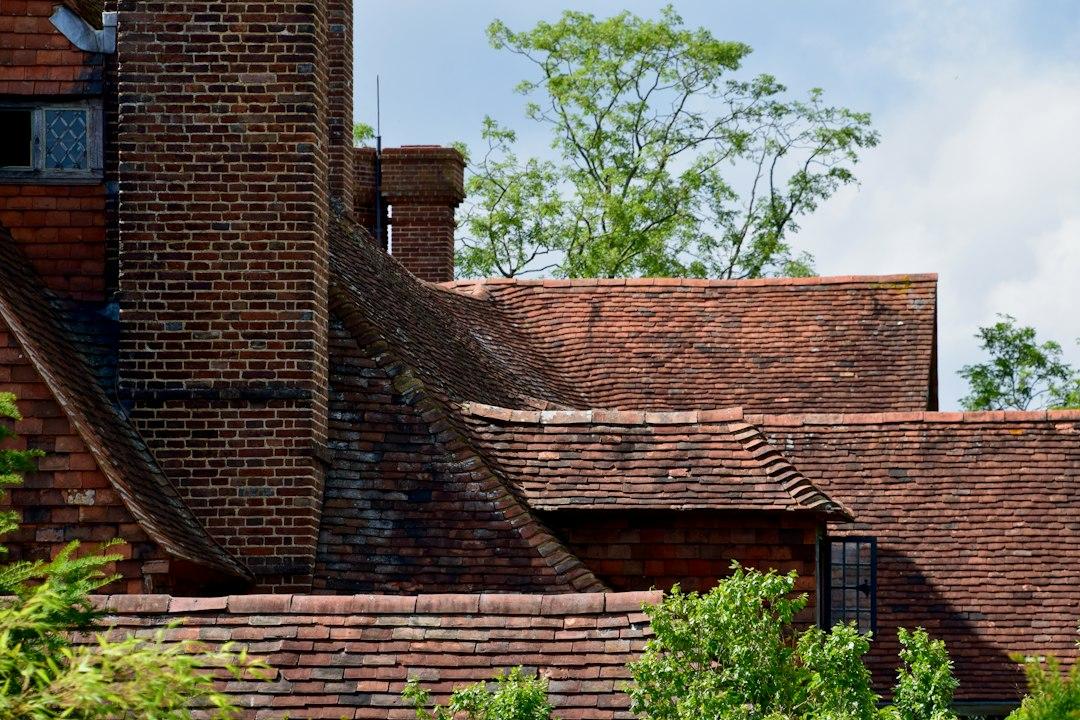
A sweep is a visit to the inside of your chimney
Hiring a sweep is not only about soot. A flue that sat unused through a long Azusa summer collects leaves, wasp combs, bird nests, and whatever a rat drags up onto the smoke shelf. The sweep is often the first person to see any of it. So when you hire one, you are also hiring the person who tells you whether something has been living above your fireplace and how it got in.
This post covers what any sweep should tell you before coming out, what a sweep quote from us lists, and where the price sits.
What a sweep should tell you up front
Before the day, a sweep company should be able to answer these plainly. If an answer is vague, ask again.
- What the price covers. Ours is from $425 for one flue. That covers brushing the flue from the firebox to the top, scraping the smoke shelf, and vacuuming as we go. A second flue, a heavy glaze of creosote, or a large nest is extra, and it is put in writing before we start.
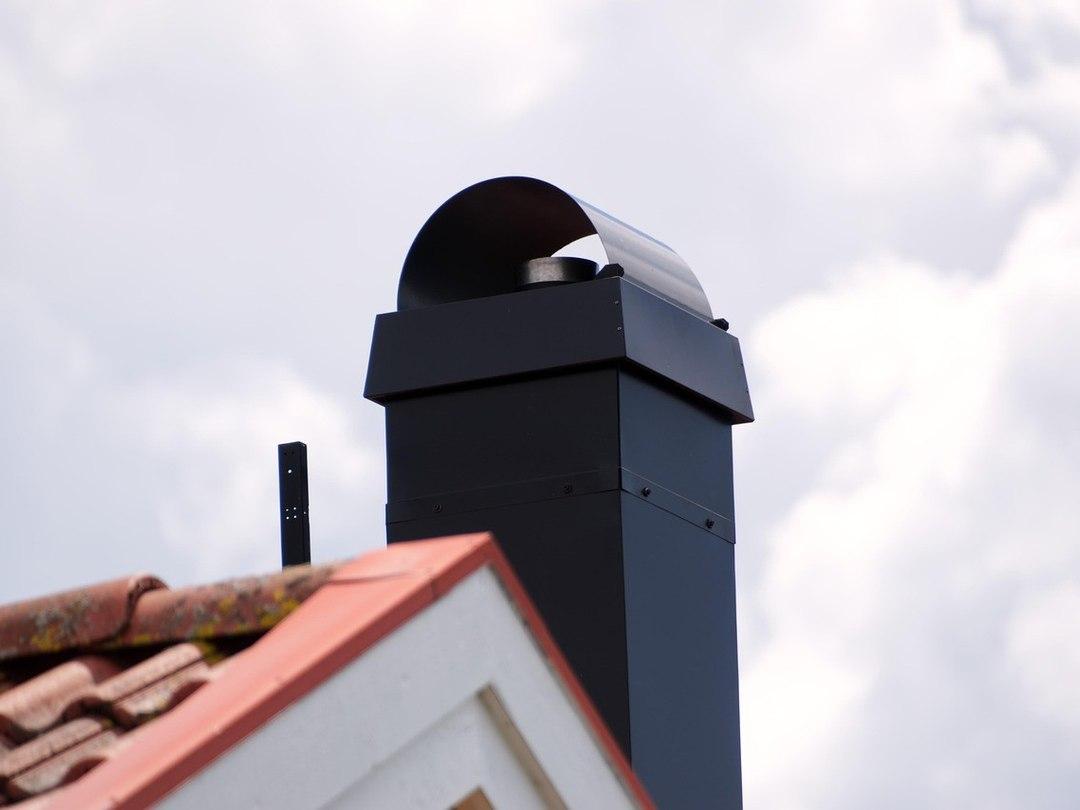
- Whether they go on the roof. A sweep done only from below misses the top of the flue, the screen and the crown, which is where animals get in. We look at the top on every sweep where the roof allows it.
- What happens if they find a nest. A good answer says whether an active nest can come out that visit, and what a large one costs.
- What you get afterward. You should get a written note of what came out of the flue and what they saw: screen, damper, crown, tile.
- How the room is kept clean. Drop cloths on the floor, a vacuum running the whole time, the firebox opening sealed while the brush works.
Signs you are talking to the wrong sweep
- A very low phone price followed by a long list of required repairs on the day.
- No mention of the roof, the cap or the screen.
- Pressure to buy a part right then, with nothing in writing.
- Answers that change when you ask the same thing twice.
None of these proves bad work. Each one deserves a direct question and an answer on paper.
What our sweep visit includes
On a sweep in Azusa or the foothill towns around it, we:
- Check the top first: screen, cap, flue tile, crown, and any sign that an animal has been using the chimney.
- Seal the firebox opening and start the vacuum before the first brush stroke.
- Brush the flue its full height, then scrape the smoke chamber and the smoke shelf, where debris and droppings settle.
- Open and close the damper to see that it seals, since a damper left open or broken is an easy way down for a bird.
- Tell you what came out: soot, creosote, leaves, a nest, droppings, a wasp comb.
If we see something that needs more than a sweep, we write it down with the reason and the price where we have one. A cap is quoted after we measure. A Level 1 inspection is $55, and a Level 2 with a camera is $395. Crown, damper and mortar work get a written quote.
When a sweep is not enough
Sometimes the sweep shows the chimney needs more. The cases we see most:
- Nesting material packed around a bent damper. The damper gets fixed or replaced before the next fire. See damper repair.
- A screen with holes, or none at all. A cap goes on before the next spring nesting season.
- Water stains on the ceiling beside the chimney. That points to flashing, not the flue.
- A flue we cannot see all of. A Level 2 camera run shows the tiles the brush passed over.
What decides the next step
Your sweep price depends on the number of flues, how long since the last sweep, and whether anything has been living in the chimney. Tell us those three things and we can confirm the figure before we arrive.
Tell us when the fireplace was last lit and last swept, how many flues you have, and anything you have heard or seen drop into the firebox.
How often
For a wood fireplace used through the winter, once a year is the usual answer. A flue that has held a nest should be swept before the next fire, whatever the calendar says. A gas fireplace still needs its vent looked at, because birds and wasps like a gas vent cap as much as a brick flue. Our chimney sweep page lists what we do on each visit, and our post on an animal in the chimney covers what happens when the sweep turns up more than soot.
Comparing two sweeps
If you are weighing us against another company, put the two written quotes side by side. Check that both include the roof, both name what happens to a nest, and both list extras on their own lines. A sweep price that leaves out the top of the chimney is a smaller job, not a cheaper one.
Sweep first, cap second
When a chimney has no cap, we usually book the sweep and the cap on the same visit. The sweep clears whatever the open top has let in over the years, and the cap goes on over a clean flue so nothing is sealed inside. Doing them in that order on one trip means one ladder setup, one roof visit and one written quote with both lines on it. Our post on chimney cap cost in Azusa explains what sets the cap side of that quote.
Book the next sweep
If your fireplace in Azusa has sat unused for a season, or you have heard something above it, a sweep is the simplest way to find out what is up there. Start on our contact page and we will set a time that suits you.
Want the Chimney Top Checked?
Loughlin Chimney Group clears out whatever moved in, sweeps the flue and fits a cap sized to the opening. Visits run from Azusa to Glendora, Monrovia, El Monte and the rest of the valley.