Three parts that all close the top
Owners in Azusa usually come to us with one word in mind: cap. Then on the roof we find the chimney needs something slightly different. There are three parts that close the top of a chimney against animals and weather, and they are not the same job.
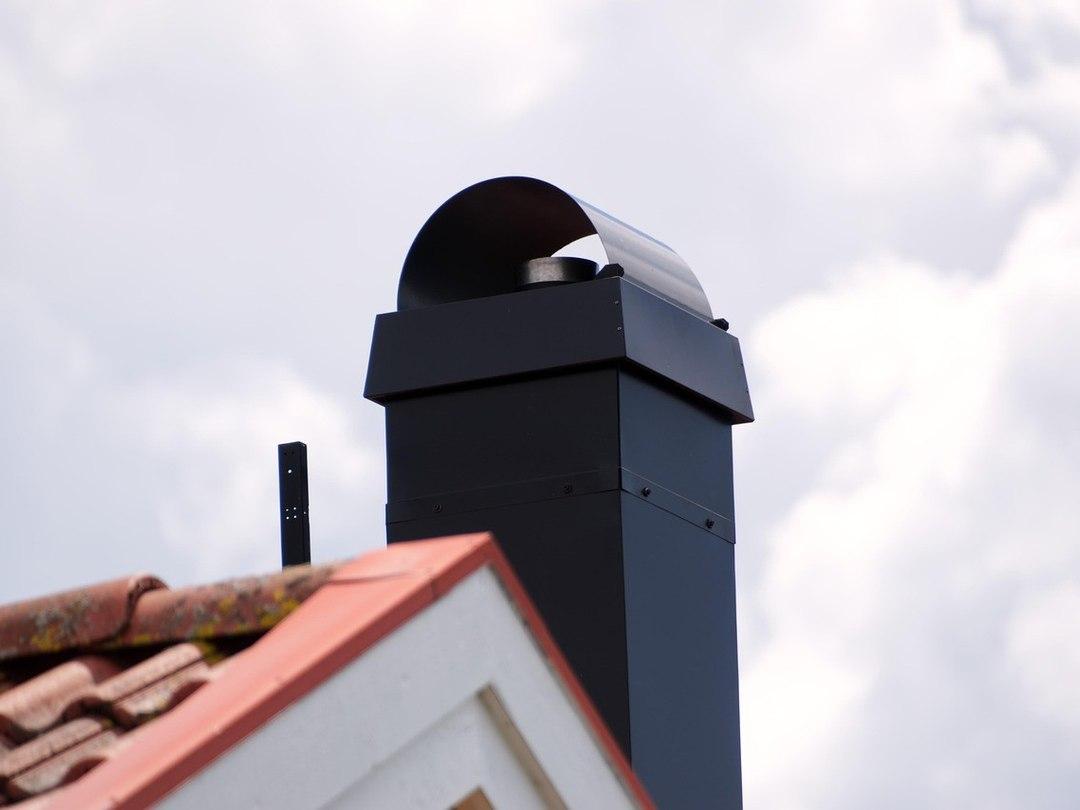
- A cap sits over the flue opening, with a lid above and mesh around the sides.
- A screen, often called a spark arrestor, is mostly mesh, clamped to the flue tile, with little or no hood.
- A chase cover is the metal roof of a framed chimney: the sheet across the top of the wooden box that hides a metal flue pipe.
Which one you need depends on what your chimney is built of and where it is letting things in.
The cap
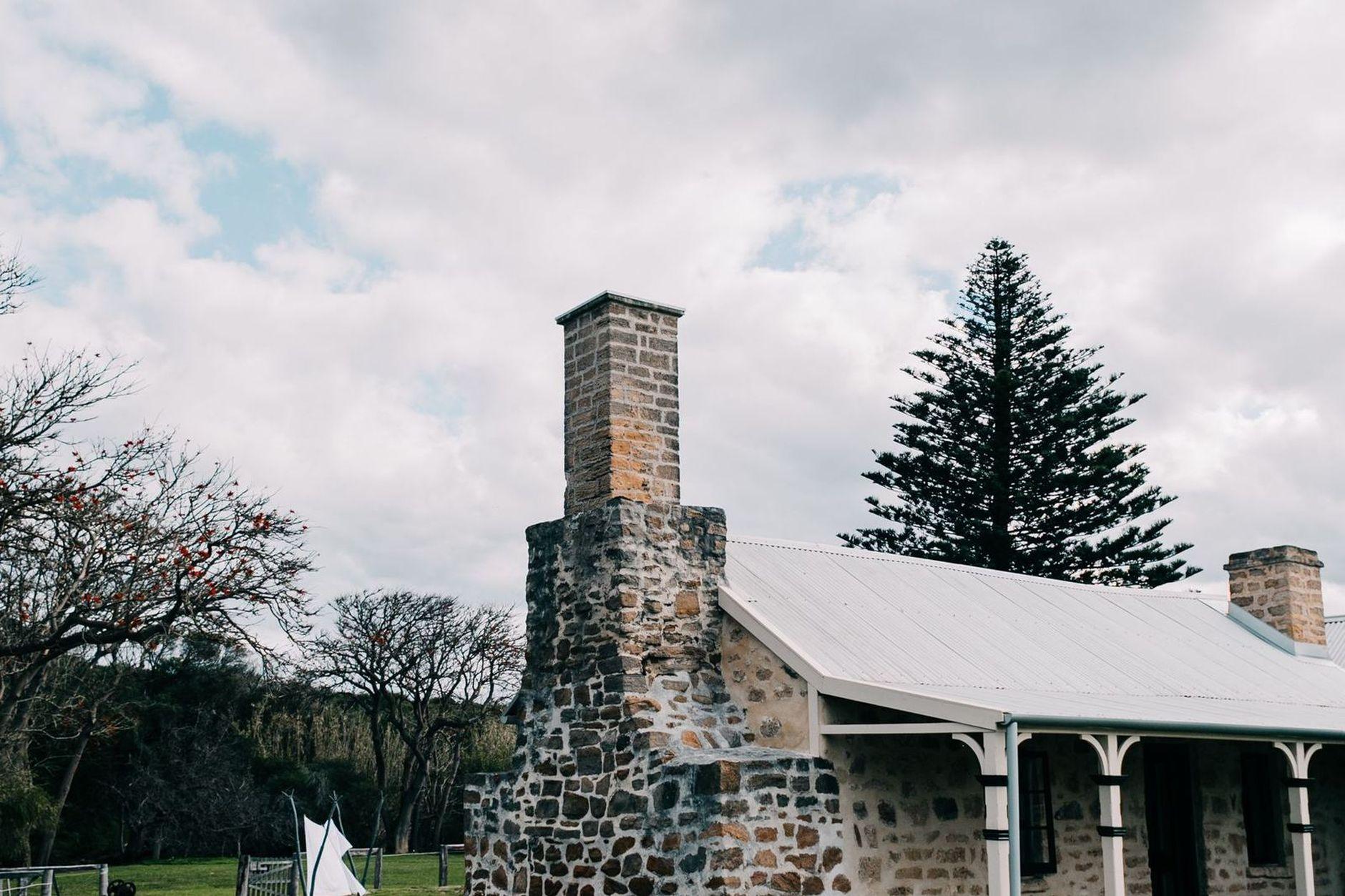
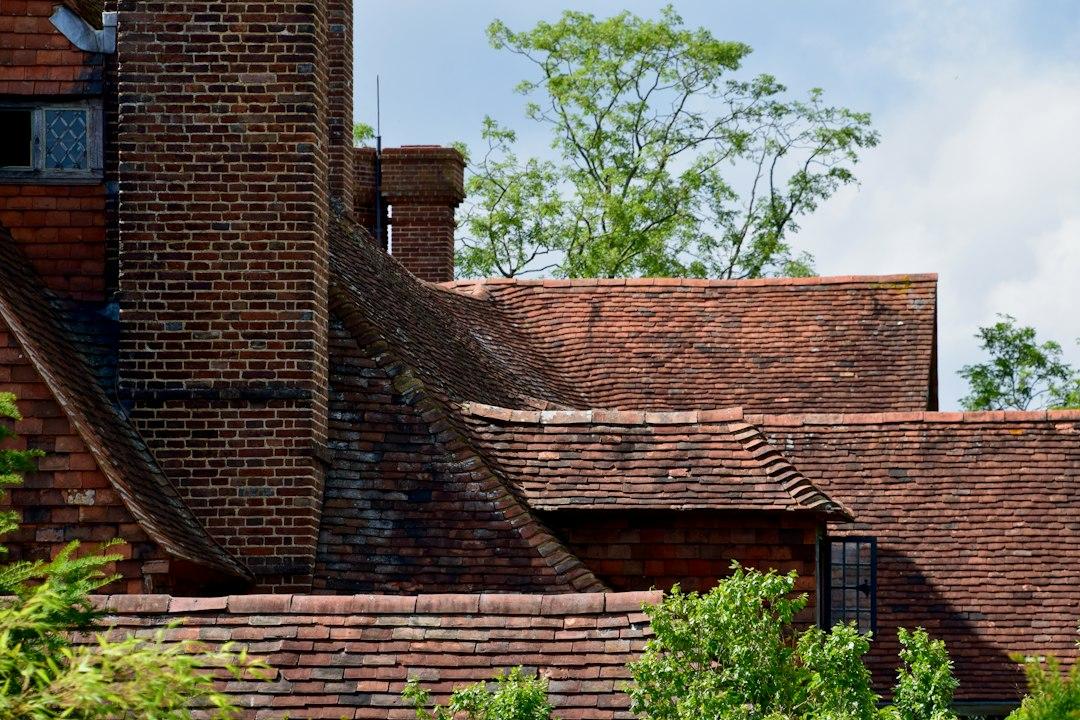
A cap is the answer on most brick and block chimneys with a clay flue. It keeps rain off the flue, keeps birds and rats out with its mesh, and stops leaves from blowing in on a dry wind. On a chimney with one flue, it can clamp to the tile. On a chimney with two or more flues, a wider cap fits over the whole top and fastens to the crown.
A cap is quoted on site, installed. Size, material and roof set the price. Our post on what sets cap prices in Azusa explains more.
Good fit when: the masonry is sound, the tile stands clear of the crown, and the trouble is animals, rain or debris coming in at the top.
The screen
A screen is mesh without the full hood. On some older chimneys a spark arrestor is still in place and only needs new mesh. It keeps out birds and embers but does little against rain falling straight down the flue.
Our price: no listed figure. A screen job is quoted in writing after we see the tile and the old frame. In many cases we suggest a full cap instead, and the quote says why.
Good fit when: a full cap will not seat on the tile, or the owner wants the lowest profile on the roof.
The chase cover
A framed chimney is a wooden box clad in siding or stucco, with a metal flue pipe running up inside. Its top is a flat metal sheet with a collar where the pipe passes through. When that sheet rusts, dents or sags, rain pools on it and finds its way down inside the box, and the gap at the collar becomes a door for rats and birds. A cap on the pipe alone does not solve that, because the opening is in the sheet, not the pipe.
Our price: written quote after measuring. A chase cover is cut to the box, and the size of the box and the state of the wood under it decide the job.
Good fit when: the chimney is framed, not masonry, and you see rust streaks down the siding, water in the firebox, or nesting at the top of the box.
Telling which one you have
From the yard, look at the outside of the chimney. Brick or block all the way up means a masonry chimney, and it most likely needs a cap. Siding or stucco that matches the house walls, with a round metal pipe poking out the top, means a framed chimney, and its top is a chase cover. If you are not sure, a description is enough for us to say which one to expect before we come.
Side by side
| Part | Cap | Screen | Chase cover |
|---|---|---|---|
| Chimney type | Brick or block | Brick or block, older arrestor | Framed box, metal flue |
| Keeps out animals | Yes | Yes | Yes, with a cap on the pipe |
| Keeps out rain | Yes | Barely | Yes |
| Our price | quoted after we measure | Written quote | Written quote |
What decides the choice, and the next step
What you need is set by how the chimney is built and by where the opening is: at the flue itself, or around it. A short look from the roof settles it.
Tell us whether your chimney is brick or sided, how many pipes or flues come out the top, and what you have noticed so far: noises, water, debris on the hearth. We will tell you which part to expect before the visit.
When more than the top is wrong
Animals that have used a chimney for a while often leave damage further down: chewed insulation inside a chase, a damper bent out of shape, droppings in the smoke chamber. If the crown on a brick chimney is cracked, a cap fastened to it will not hold for long, so the crown repair comes first. If water is the main complaint, the gap is often at the roof line, and the fix is chimney flashing repair or leak repair. For the chase itself, see our chimney chase cover page.
What owners usually pick, and why
On brick chimneys around Azusa, most owners end up with a stainless cap that covers the full top, because it handles birds, rain and wind blown leaves in one part and outlasts thinner metals. Owners with an old arrestor in good shape sometimes keep it and replace only the mesh. On framed chimneys, the chase cover is not optional once it has rusted through: the box below it is wood, and a wet box rots from the inside. Whichever it is, the written quote names the part, the metal and the reason, so you can compare it fairly with anyone else's.
Close the top
Whether it is a cap, a screen or a chase cover, the aim is the same: nothing gets in that you did not invite. For a chimney in Azusa or close by, reach us through the contact page and we will tell you which of the three fits your roof.
Want the Chimney Top Checked?
Loughlin Chimney Group clears out whatever moved in, sweeps the flue and fits a cap sized to the opening. Visits run from Azusa to Glendora, Monrovia, El Monte and the rest of the valley.